USA Climate Classification Systems and Weather Patterns
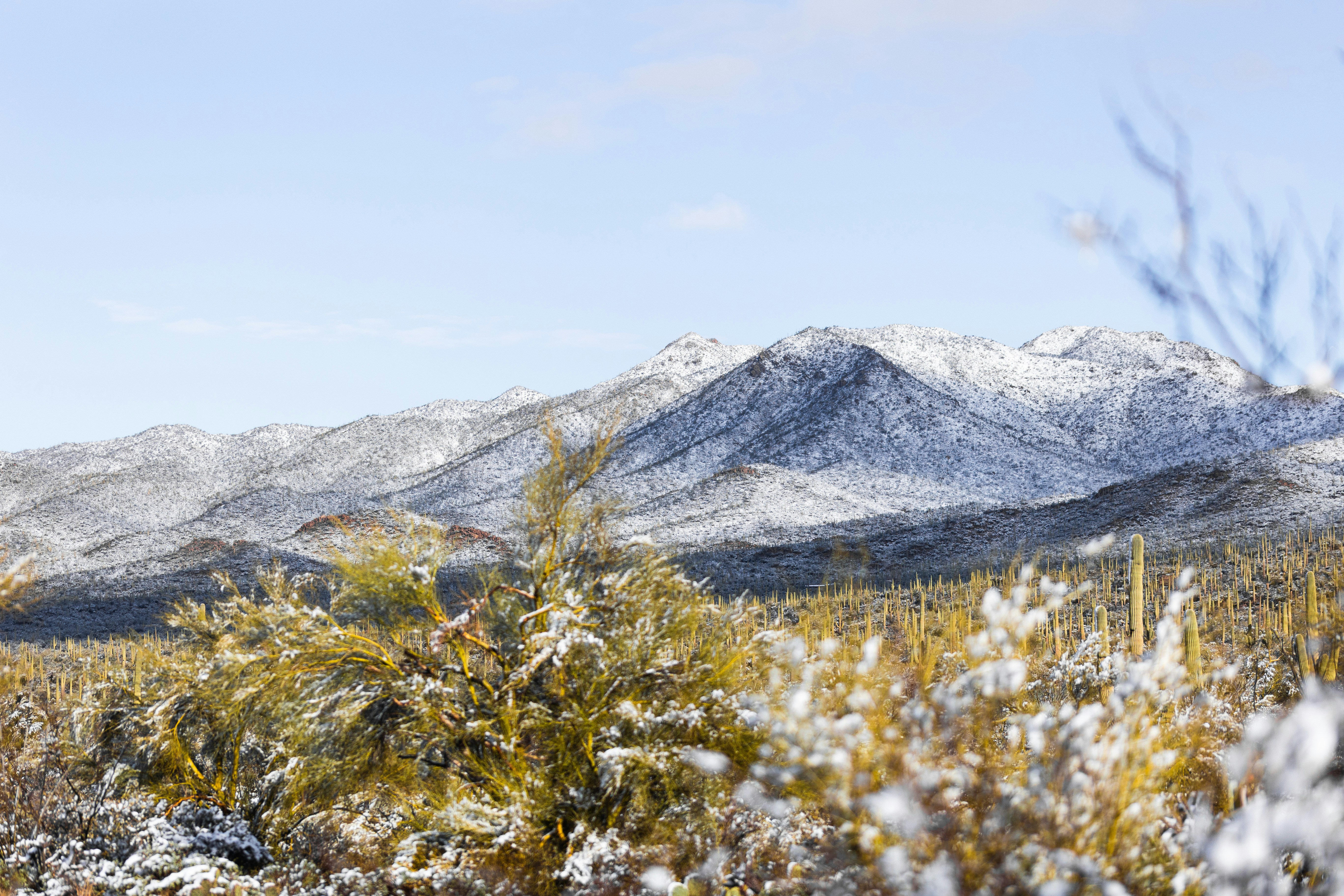
Analyze the diverse climate zones across the United States, from tropical in Florida to subarctic in Alaska, and how they influence local ecosystems and human settlement.
Learning Objectives by Grade Level
- Middle School (6-8): Identify the major climate zones within the US (e.g., desert, temperate, tropical).
- High School (9-12): Understand the factors that influence regional weather patterns, including latitude, elevation, and ocean currents.
- College/Adult Learners: Analyze the impact of climate on agriculture, human settlement, and the long-term geographic impacts of global climate change.
Introduction to American Climates
Because of its vast size, USA geography encompasses nearly every climate zone on Earth. From the tropical environments of Hawaii and Southern Florida to the tundra of Alaska, understanding climate is essential for comprehensive geography education. Teachers can use our Climate Lab to create engaging geography lessons that visualize these differences.
The Köppen Climate Classification System
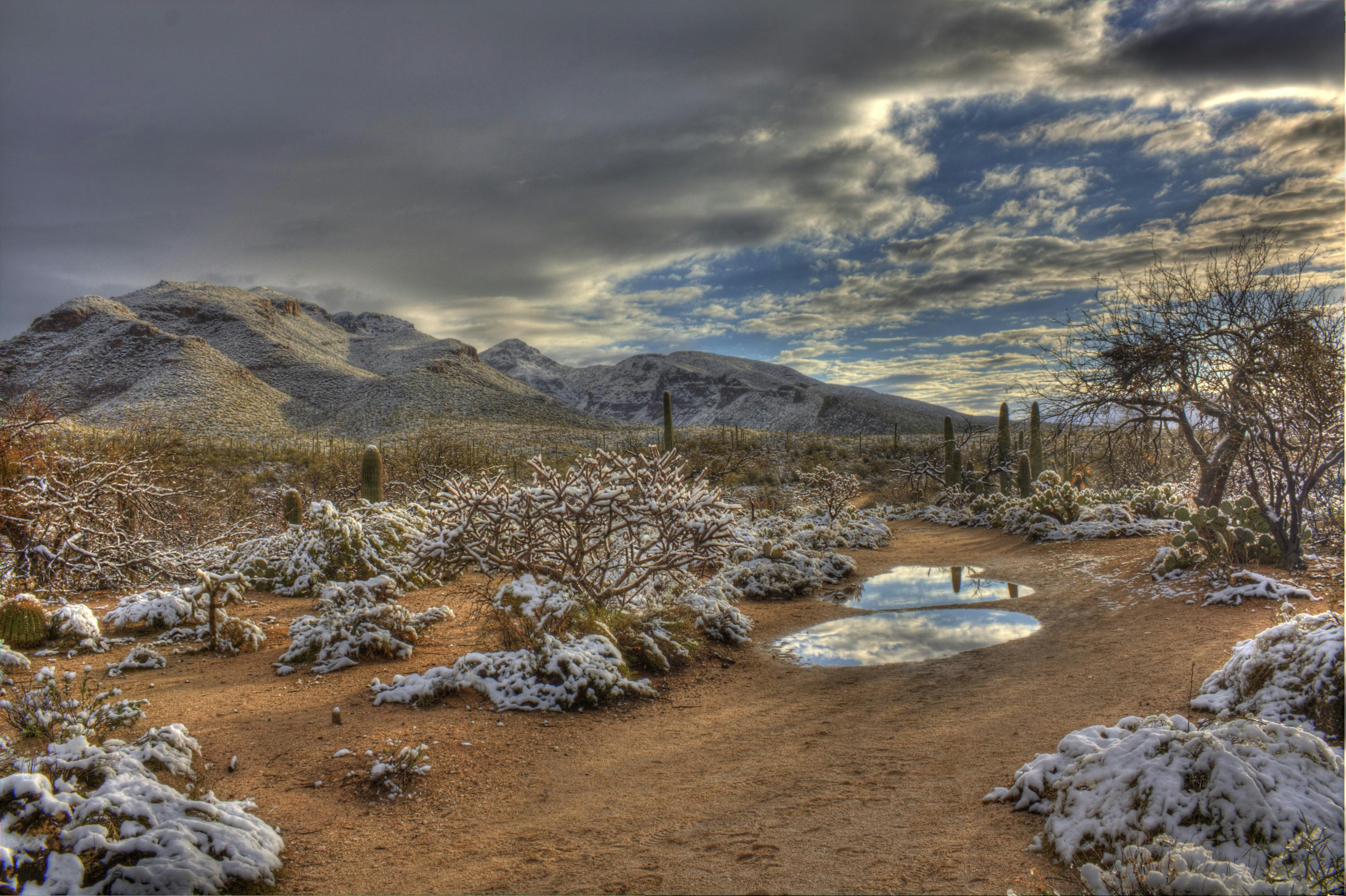
Geographers commonly use the Köppen climate classification system to categorize climates based on temperature and precipitation. In the US, the eastern half is generally divided into Humid Continental (North) and Humid Subtropical (South). The western half is much more complex due to mountainous topography, featuring Semi-Arid steppes, Arid deserts, Mediterranean climates (California), and Marine West Coast climates (Pacific Northwest).
Factors Influencing US Climate
Several geographic factors dictate these climate zones. Latitude determines baseline temperatures (colder in the north, warmer in the south). Elevation causes cooler temperatures in mountainous regions. Ocean currents, like the warm Gulf Stream on the East Coast and the cold California Current on the West Coast, drastically alter coastal climates. Finally, mountain barriers create rain shadows, causing the arid conditions of the Great Basin.
Primary US Climate Zones
| Climate Zone | Typical Regions | Characteristics |
|---|---|---|
| Humid Subtropical | Southeast (FL, GA, SC) | Hot, humid summers; mild winters; abundant rainfall |
| Humid Continental | Northeast, Midwest | Four distinct seasons; cold, snowy winters; warm summers |
| Semi-Arid / Steppe | Great Plains | Low precipitation; extreme temperature shifts |
| Mediterranean | Southern California | Warm, dry summers; mild, wet winters |
| Marine West Coast | Pacific Northwest | Cool summers; heavy winter precipitation; overcast |
Discussion Questions for the Classroom
- How do ocean currents explain the climate differences between New York and Seattle, which are at similar latitudes?
- Explain how the Rocky Mountains create a rain shadow effect on the Great Plains.
- Discuss how the Humid Subtropical climate of the Southeast influenced its historical agricultural development.
Frequently Asked Questions (FAQ)
What is Tornado Alley?
A loosely defined area of the central United States where tornadoes are most frequent, caused by the collision of cold, dry air from Canada and warm, moist air from the Gulf of Mexico.
Which US state has the most diverse climate?
California has highly diverse microclimates, but Hawaii features 10 of the world's 14 climate zones on its islands.
How does elevation affect climate?
As elevation increases, the air becomes thinner and holds less heat, resulting in cooler temperatures regardless of latitude.